
Guided fly fishing travel in Aotearoa New Zealand
Fly Fishing New Zealand
Fish wild trout water with expert local guides, from Southland’s world-famous rivers to the South Island backcountry where the trophy browns live.
◷ Season Oct–May ⚲ Queenstown & Christchurch ✦ Brown & rainbow trout
Two ways to fish New Zealand
Two New Zealand fly fishing trips: backcountry or Southland
Our local guide team runs two New Zealand programmes, built around how far you want to travel and the kind of water you want to fish.
Full Kiwi Backcountry Adventure for big wild fish
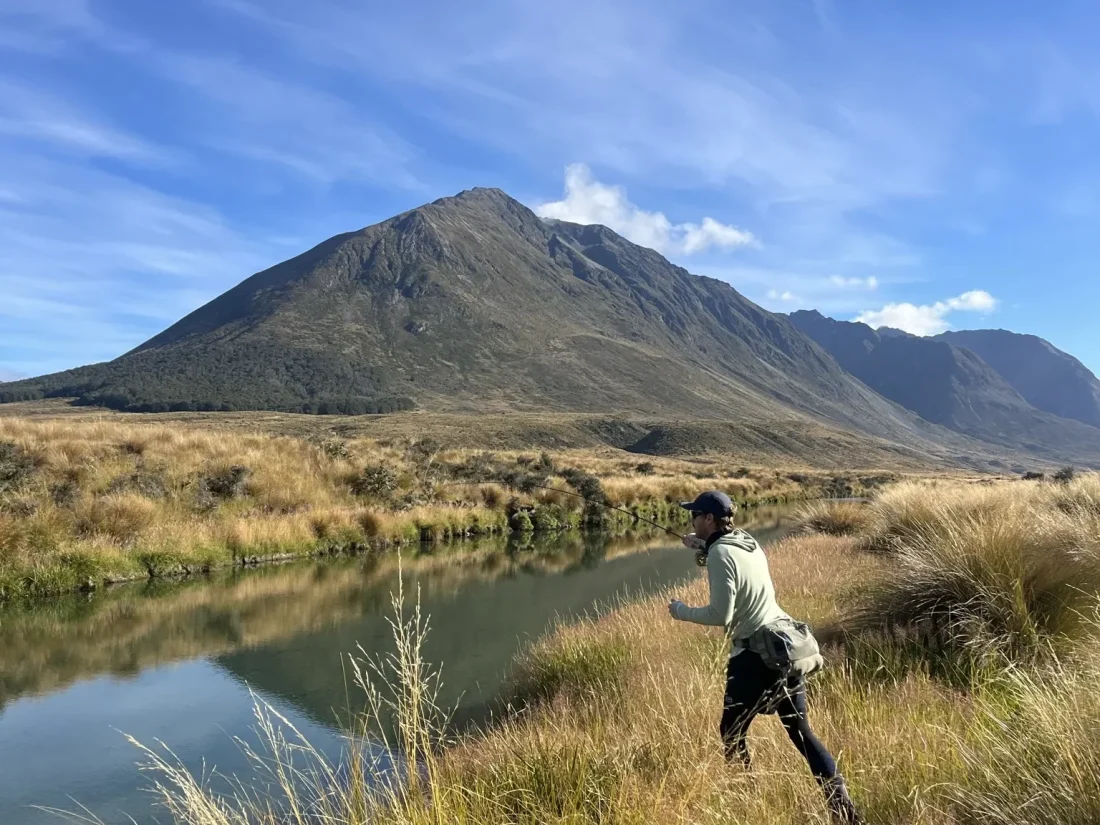
Our South Island backcountry trips take you into the remote rivers of Otago, Southland and Fiordland National Park, where some of the best trout fishing on the planet can be found.
Depending on the trip, access is by helicopter, on foot or by boat. Heli trips let you cover serious country in a day while returning to the comfort of a lodge each night. Hike-in trips are more immersive with nights spent in a hut or camp set beside the river. For certain river mouths and hard-to-reach water, boat access gives us another way in when there is no practical route by land.
This is the South Island at its most untouched: clear rivers, sight-fished trout and remote water. For those wanting the full New Zealand backcountry fly fishing experience, this is as good as it gets.
Southland Trout Safari, more fishing and less logistics
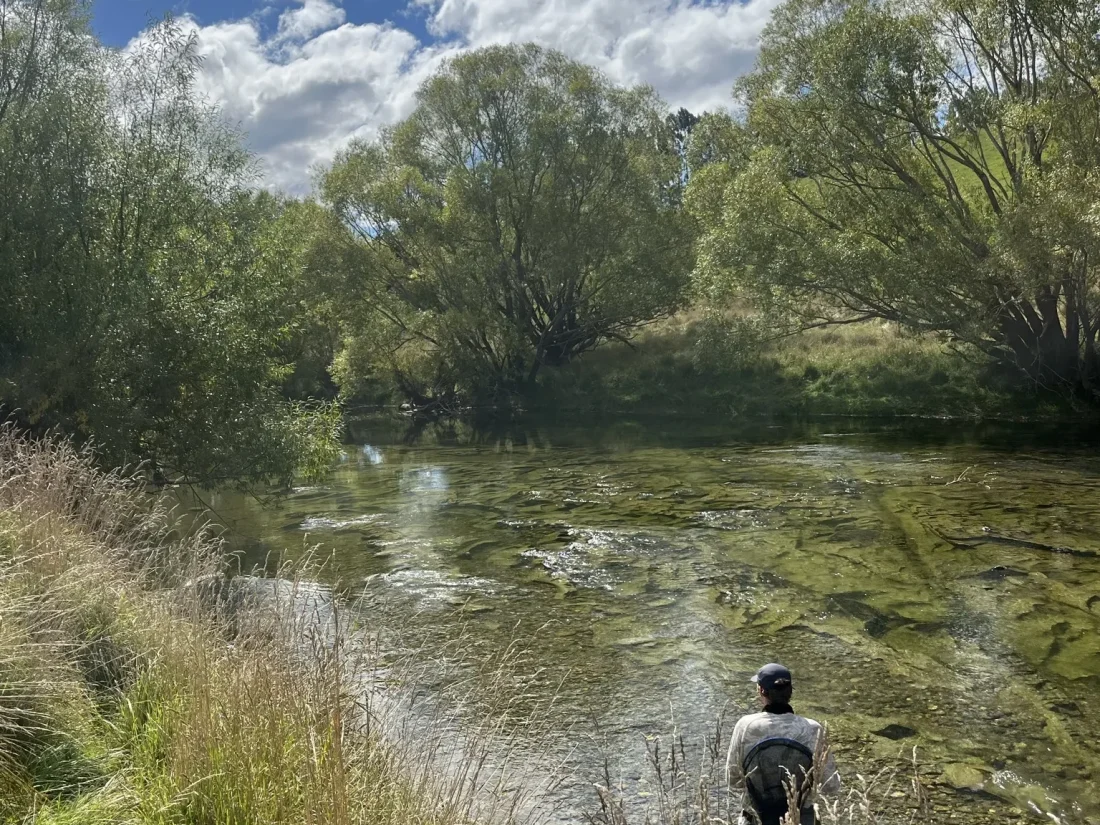
Southland is one of New Zealand’s most famous trout regions, and for good reason. It holds a remarkable number of fishable rivers, including the Mataura, Oreti, Mararoa, Aparima, Waiau and Waikaia, plus the Fiordland edges, and the stocks are high. The Mataura alone runs 20 to 40 fish per kilometre, with browns averaging around 3 lb, and all of it is easy to reach from the road.
These are healthy, insect-rich rivers built for technical, match-the-hatch dry-fly sight fishing, with none of the helicopters, hiking or camp logistics. Base yourself in a hotel, a lodge or self-catered accommodation. It suits a single day on the water, or a few well-placed fishing days built around the rest of your holiday.
Why New Zealand
Wild trout fishing in astonishingly beautiful surroundings
New Zealand is a trout angler’s Disneyland. It was one of the last places on earth people settled, so its rivers are still clean and full of insect life, with cool, steady temperatures that grow trout to average sizes you simply do not see anywhere else.
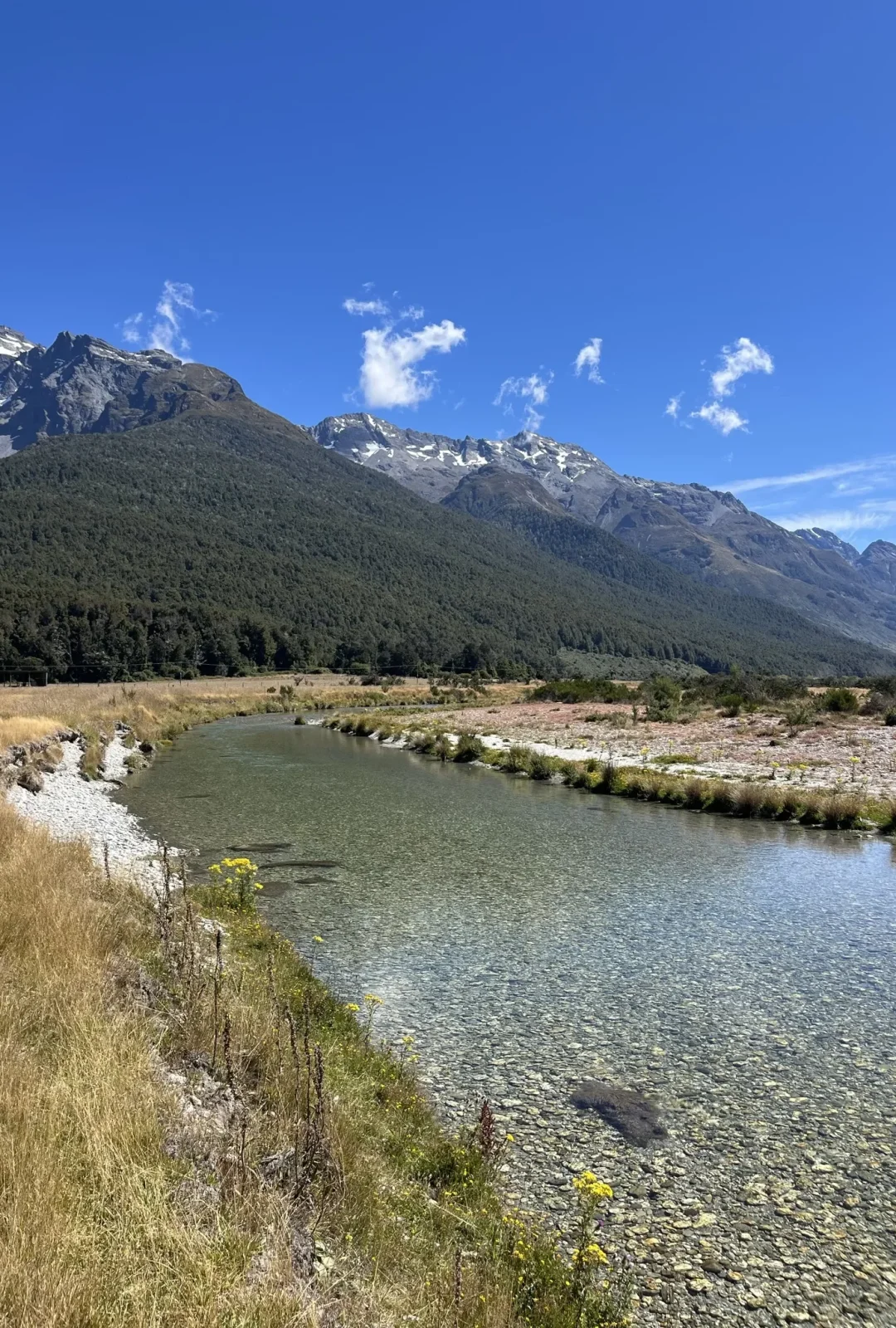
The water clarity is unmatched. On many rivers you can see straight to the bottom of a pool twenty feet deep, and watch a trout track your fly the whole way up. Nowhere else in the world lets you fish like this.
The experience
What makes New Zealand different
See the fish before you cast
New Zealand fishing has the feel of a hunt. You move slowly, read the water, spot a feeding trout, then make one measured cast that has to count.
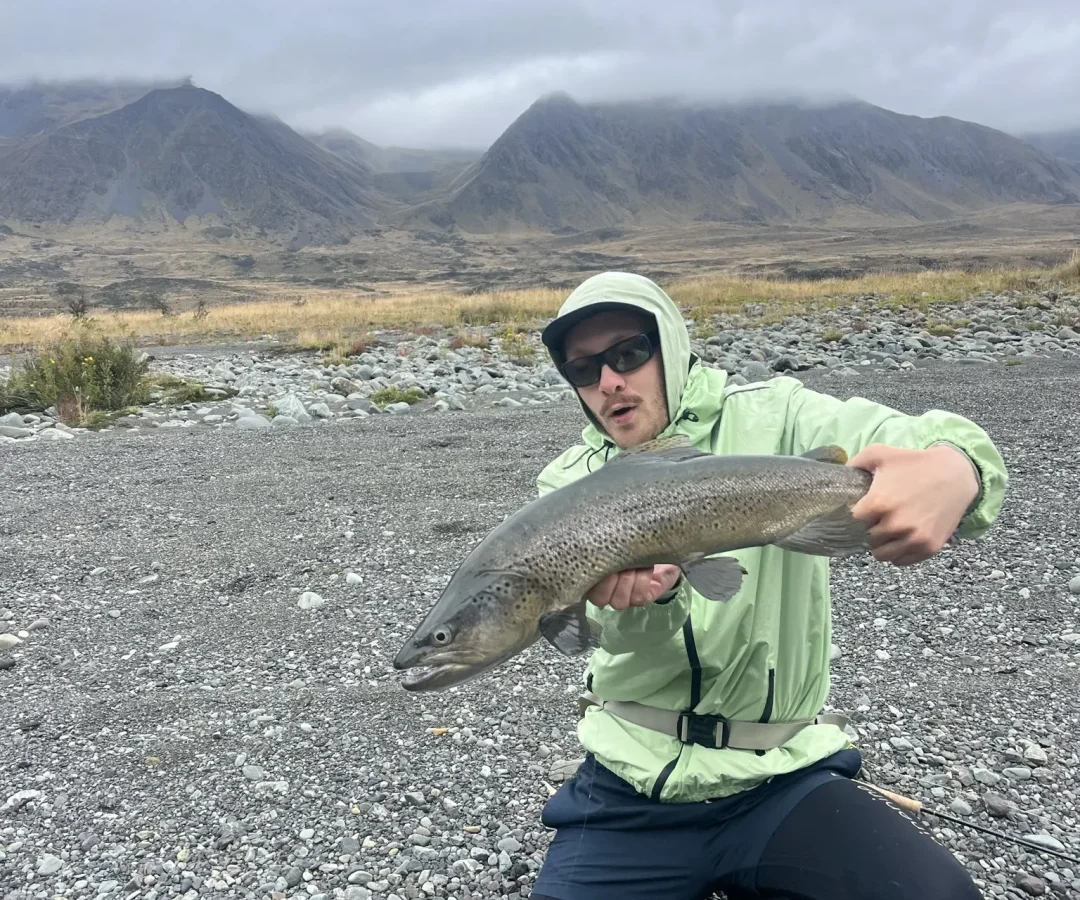
Wild trout with real size
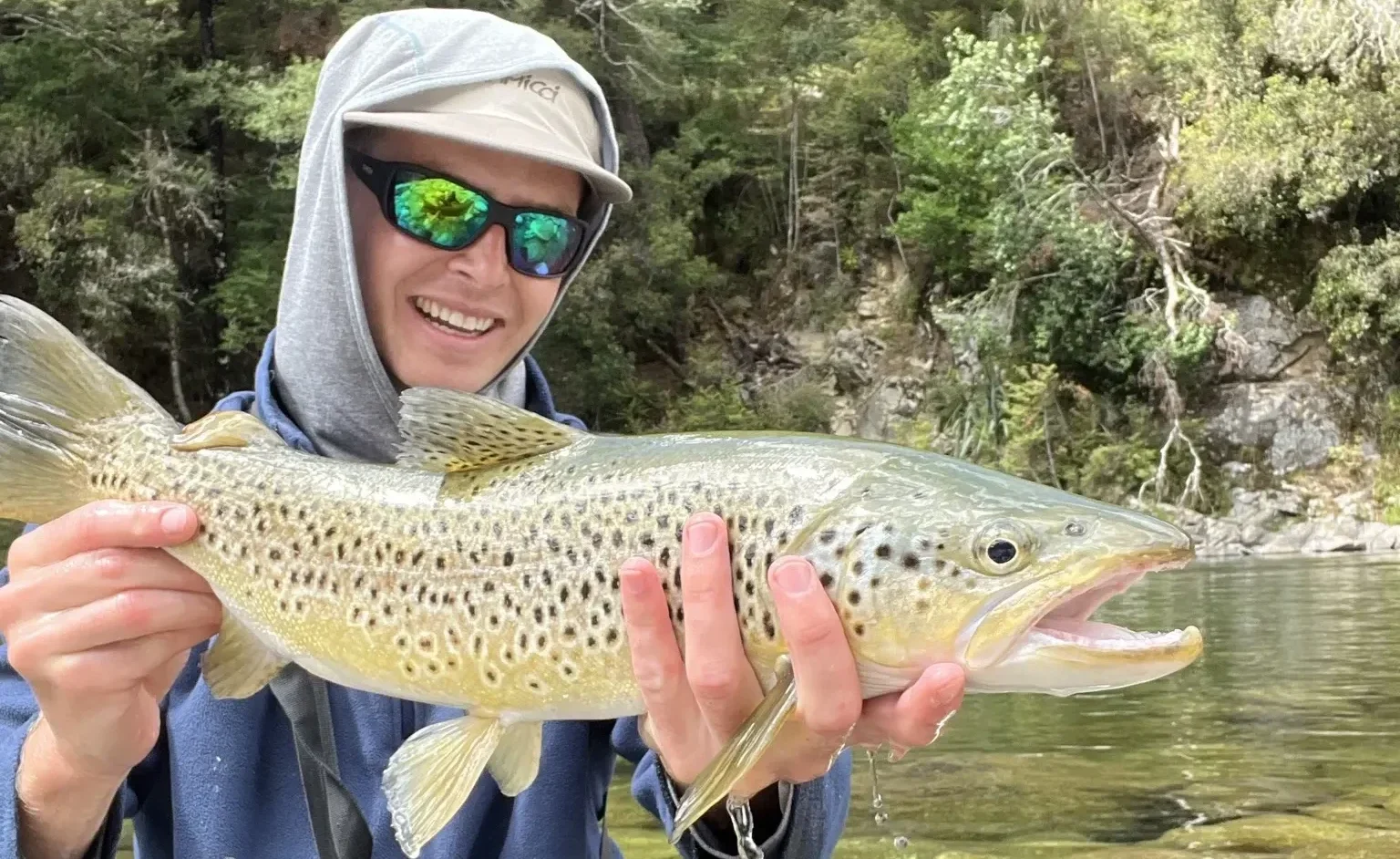
These are unstocked fish in peak condition. Browns commonly average 2 to 3 kilos, and almost every river holds fish into double figures. All fishing is catch and release, so they stay that way.
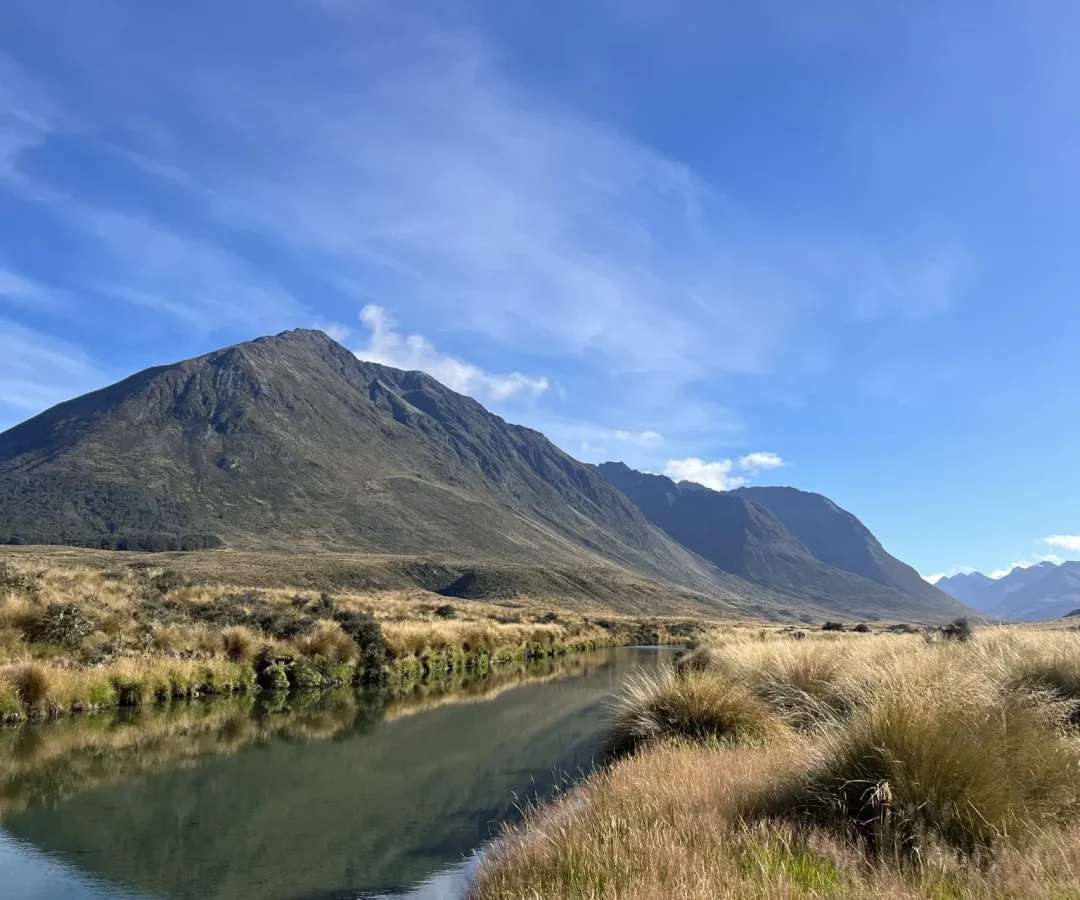
Reach water few anglers ever see
Helicopter fly-outs and backcountry hike-ins open up remote rivers where the pressure is light and the setting is half the reward. Access is always matched to your fitness and the conditions on the day.
Practical info
Best time to match your trip
New Zealand’s trout season sits inside the October to May window. The Backcountry Adventure runs November to May, prime from December to March, while the Southland Trout Safari runs October to April.
Trip package
What your New Zealand fly fishing guide handles
Whichever trip you choose, the essentials are covered:
- Expert local guide
- All licences and permits
- Quality gear available to hire
- Transport to the water
- A riverside lunch
- No more than three anglers per guide
Testimonials
What Our Anglers Say
“The South Island backcountry was everything I hoped for. My guide spotted a nine-pound brown in a pool so clear I could count the spots on its flank. Two false casts, one good drift, and the take was savage. I have fished all over and nothing comes close to sight-fishing here.”
— James R., United States
“We took a helicopter into a river that sees maybe ten anglers a year and landed on a gravel bar under snow-capped peaks. I am not the angler in the family, but I loved every minute of the scenery and the riverside lunch. FLYRUN handled every detail.”
— Mark & Sarah T., United Kingdom
Enquiry
Tell us how you want to fish New Zealand
Send us your dates, your experience and how much backcountry travel you are up for. We will match you to the right trip, guide and time of year.
If we think a different plan would fish better, we will tell you. The aim is a trip that fits your ability and your budget.
Your guide to fly fishing New Zealand
Everything you need to know
From the rivers and how the fishing works to getting there and what to pack, here is how to plan your New Zealand trip.
Regions & rivers
Our New Zealand fishing is shaped around three very different regions, each with its own pace, water and character.
Otago. Otago is high-country fishing at its best, big tussock basins and clear mountain rivers reached on foot or by helicopter. It is classic sight fishing for large, wary wild brown and rainbow trout, on backcountry water such as the Greenstone, Caples, Young and Wilkin, plus a handful of secret spring creeks we have spent years getting to know.
Southland. Southland is New Zealand’s best-known brown trout region, with a huge spread of lowland rivers, high trout stocks and most of the water reachable from the road. These are healthy, insect-rich rivers made for technical dry-fly sight fishing, and the variety is the draw. You can fish a tight little stream that holds surprisingly large trout one day, then big braided water the next, like the upper Oreti, where the average fish runs over 6 lb.
Fiordland. Fiordland is the wildest and least-pressured of the three, with rainforest-fringed rivers and lake-fed systems on the edge of Fiordland National Park. The water is incredibly clear, often with a turquoise blue tint, and the sight fishing is superb for large, unpressured trout. Access is usually by boat, helicopter or a hike, for anglers who want real wilderness and solitude.
How the fishing works
Most of the world fishes the water and hopes. New Zealand is a sight fishery. You wear polarised glasses, find a fish and make a plan before you ever cast. Once you have spotted it, you watch how it is feeding, work out what it is taking, then creep into position. Because the water is so clear, the fish can see you as well as you can see it, so a careful approach and an accurate first cast are everything.
Getting there
Most people fly straight into Queenstown, or into Christchurch and make the scenic drive south. Queenstown is the perfect base to start a New Zealand fishing adventure, with our Otago, Southland and Fiordland water all within reach.
Tackle & what to pack
A 9ft 5 or 6 weight rod covers most of the fishing. Bring long leaders, fine tippet and drab flies. In water this clear, shiny silver or gold beads tend to spook fish, so the go-to bead colour in New Zealand is black, which adds weight without the flash. Through high summer, big terrestrial patterns earn their keep, while the early and late season is mayfly and caddis hatch fishing. One rule to remember: felt-soled wading boots are banned nationwide, so bring rubber or studded soles and dry or disinfect your gear between rivers.
Season & licensing
The main trout season runs October to April, with some backcountry water open into May. Overseas anglers need a Non-Resident Fish & Game licence, which we sort for you.
For non-anglers
If someone in the group does not fish, there is plenty to fill the days, with hiking, the Central Otago wine country and easy scenic touring around Queenstown, Wanaka and Southland.