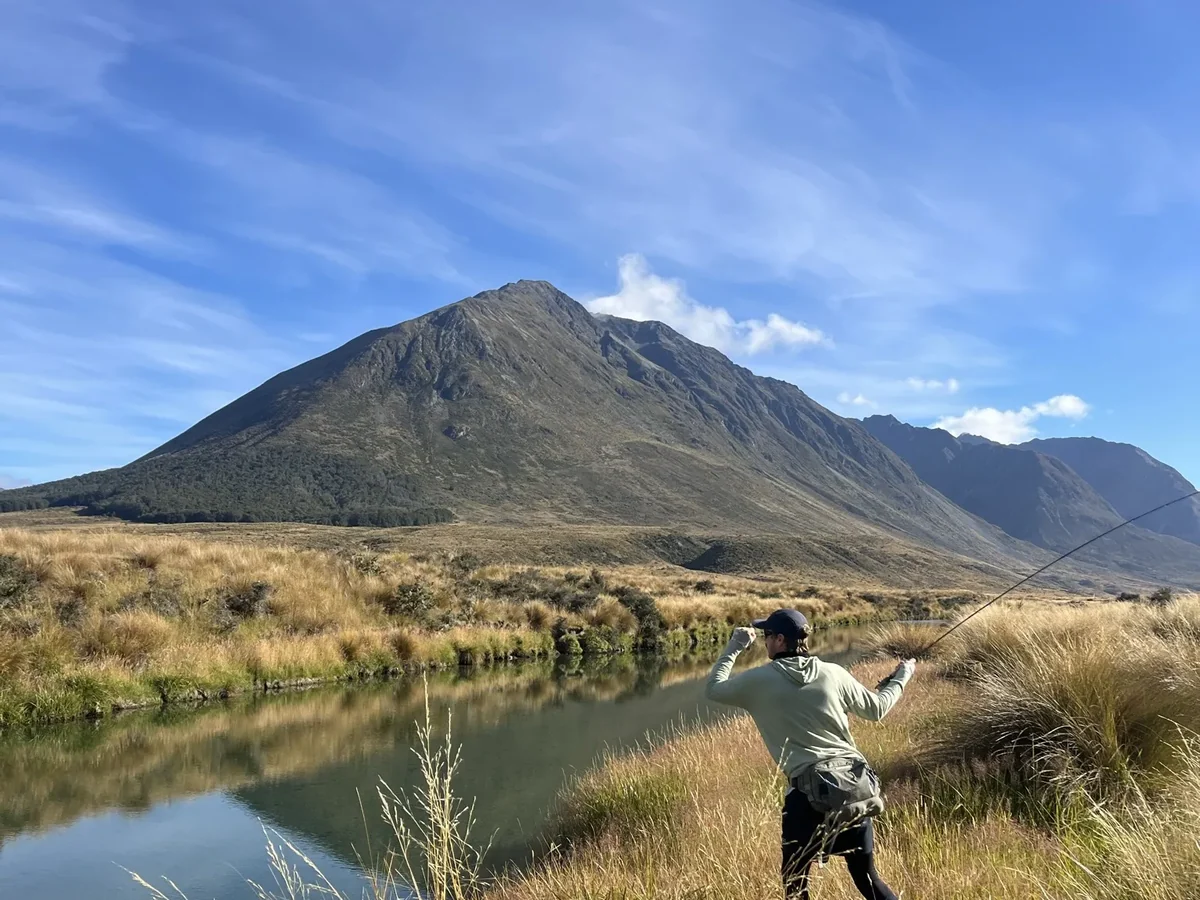
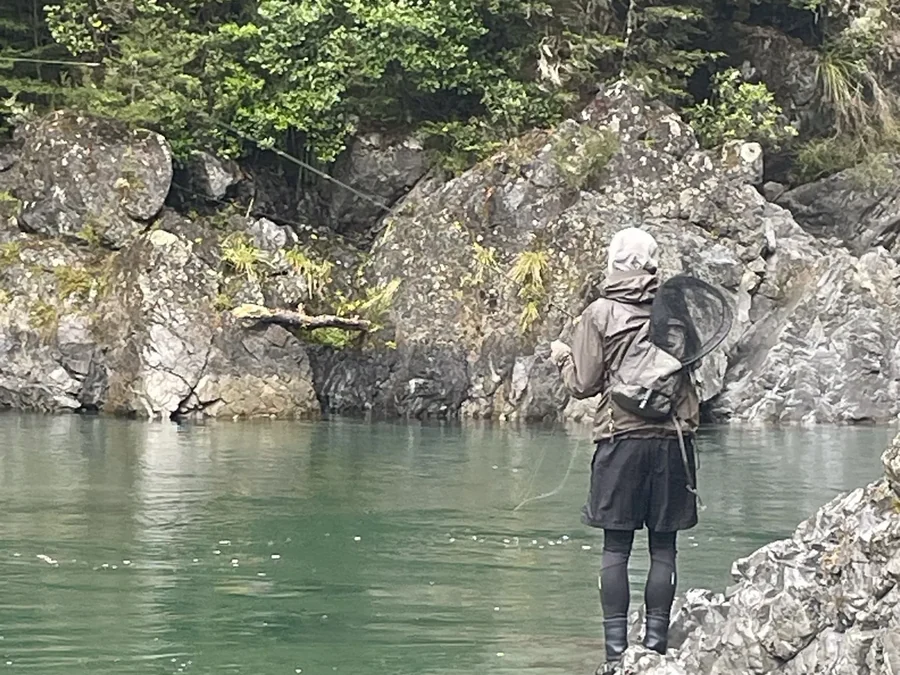
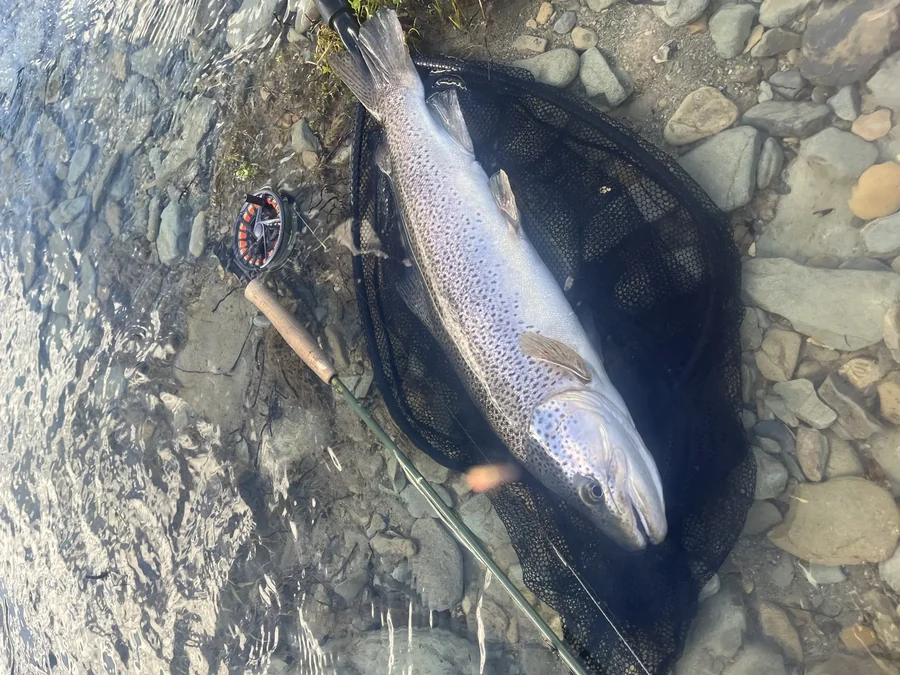
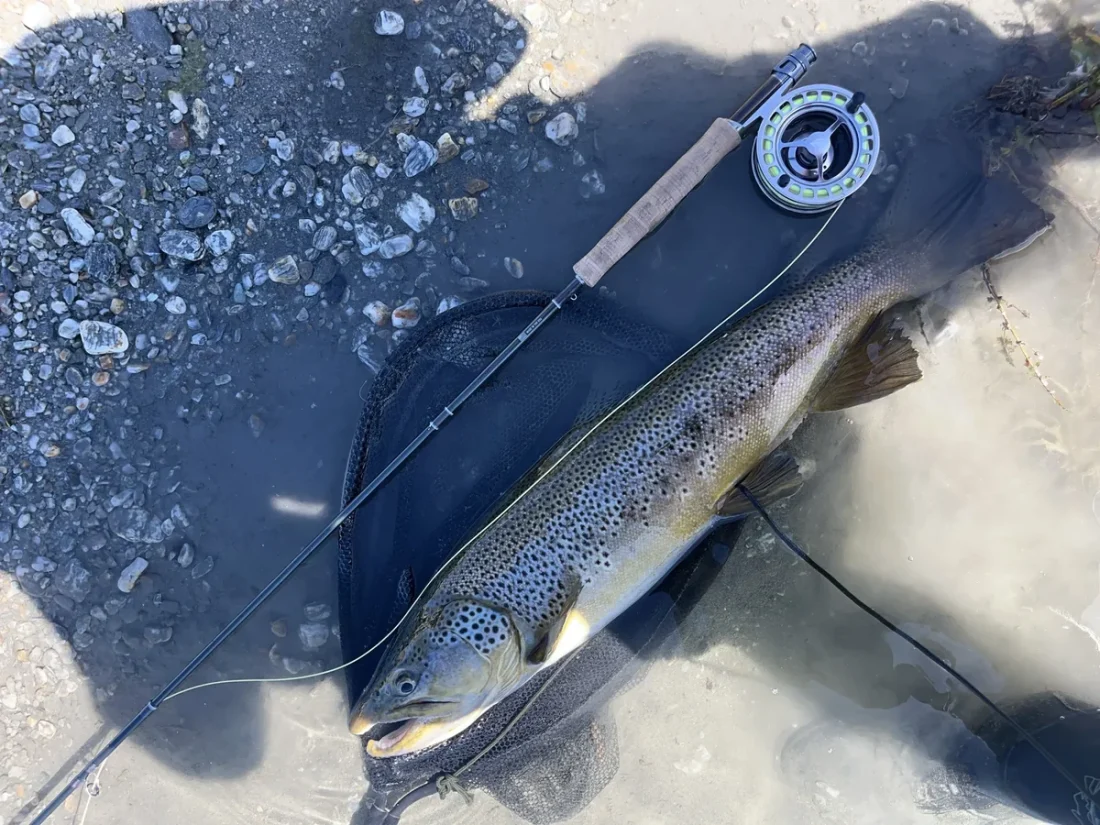
New Zealand fishing is sight fishing. You spot the trout first, then you fish to it. Very little of the day is spent casting blind, and when it comes off you watch the fish swing across and eat.
It’s some of the best trout fishing in the world, but that doesn’t always mean it’s easy. Most visiting anglers struggle with the same two things: seeing the fish in the first place, and handling the long leaders it takes to get a fly near one.
Finding one is only half of it. In water this clear the fish can see you as easily as you can see it, so getting into position unnoticed matters as much as the cast that follows. These fish are big and wary. They don’t get big by being stupid.
You want to sight fish to wild brown and rainbow trout
You want to fish dry flies through the summer and into cicada season
You're travelling to Queenstown and want the fishing arranged around your trip
Why fish with us: all our fly fishing guides are NZPFGA affiliated and have lived and fished in this region for many years. That local knowledge is what turns a hard day into a good one.
Tell us when you’re in Queenstown and what you’re hoping for We’ll come back with a plan and a price
THE FISHING
Fly Fishing for trophy trout
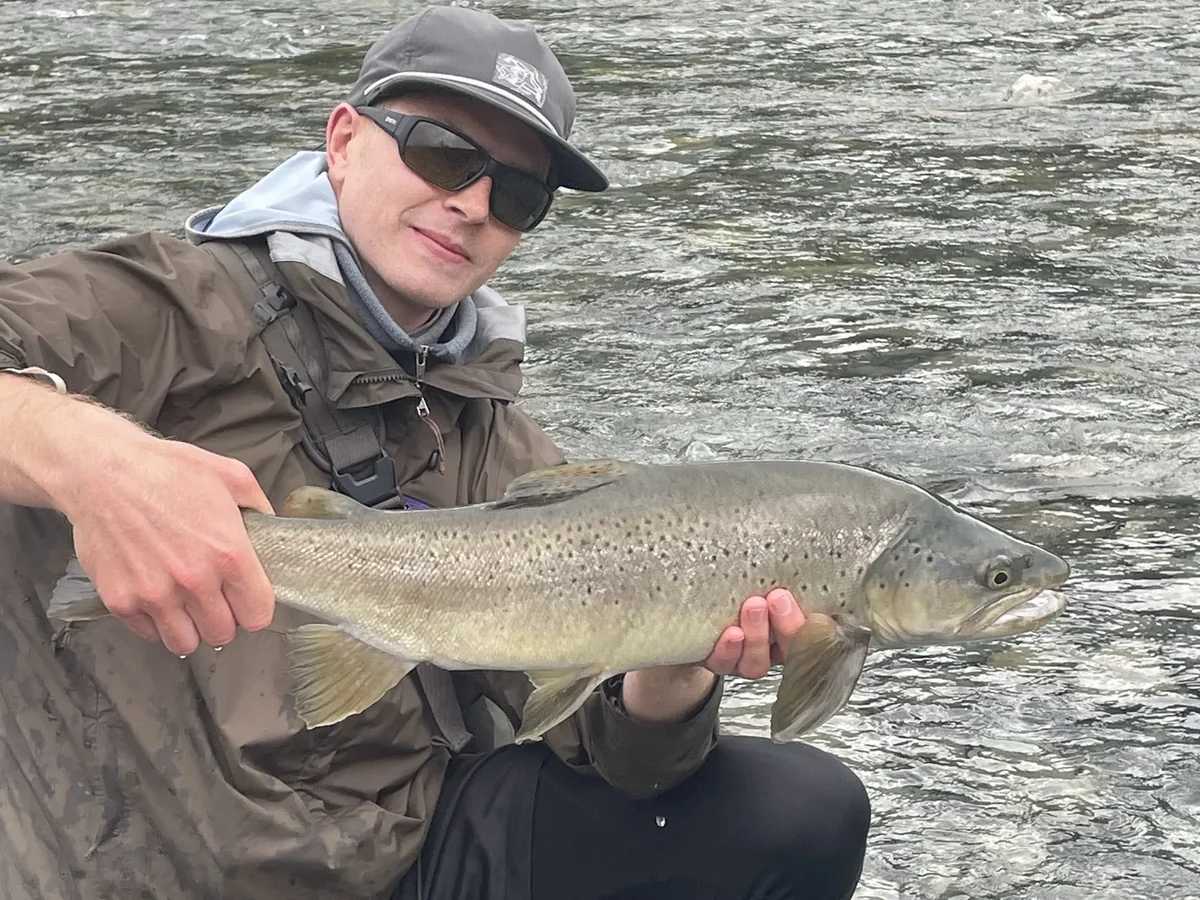
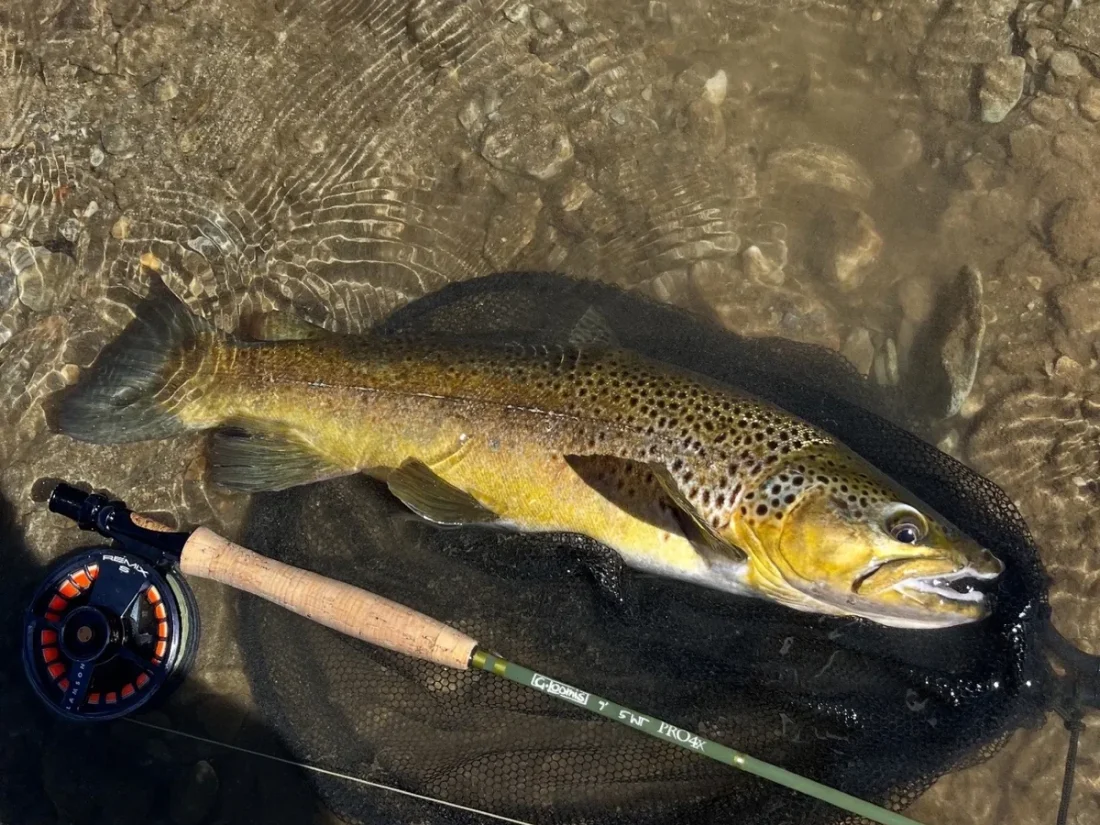
Fishing in New Zealand is quality over quantity. The average trout runs from three to six pounds, and five pound fish are very common. A good fish is anything from seven to ten pounds, and every season turns up a few bigger again.
They’re wild fish in clear water, and they’ll take a dry fly or a nymph, but only if the presentation is right. Stealth and matching the hatch are what get one in the net.
These fish will take the dry fly and the nymph. You just have to choose the method to match the season. December brings the willow grub, then high summer brings beetles and blowflies. If you’ve come for dry fly fishing, December through March is when the surface fishing is at its best.
February and March is cicada season. That’s when you’ll watch a large trout swing across the current and smash a big dry off the top, and it’s often known as the best time to fish in New Zealand.
Otago backcountry and Southland's brown trout rivers
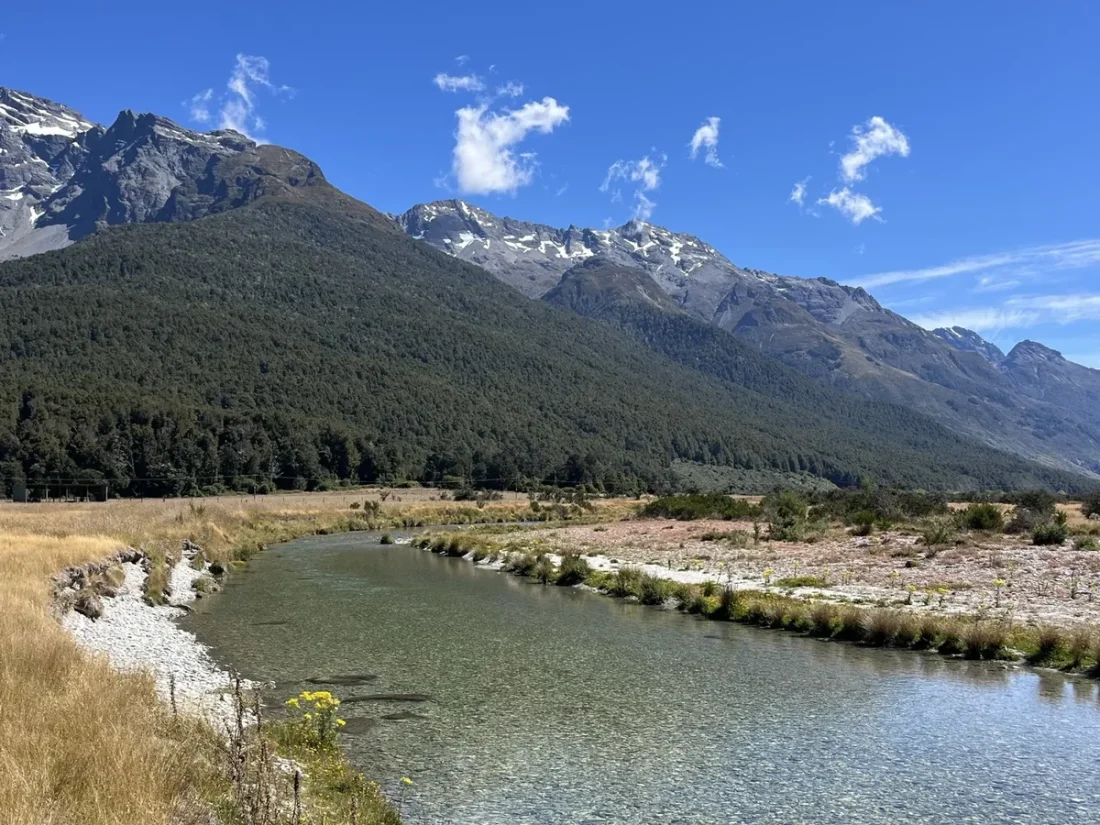
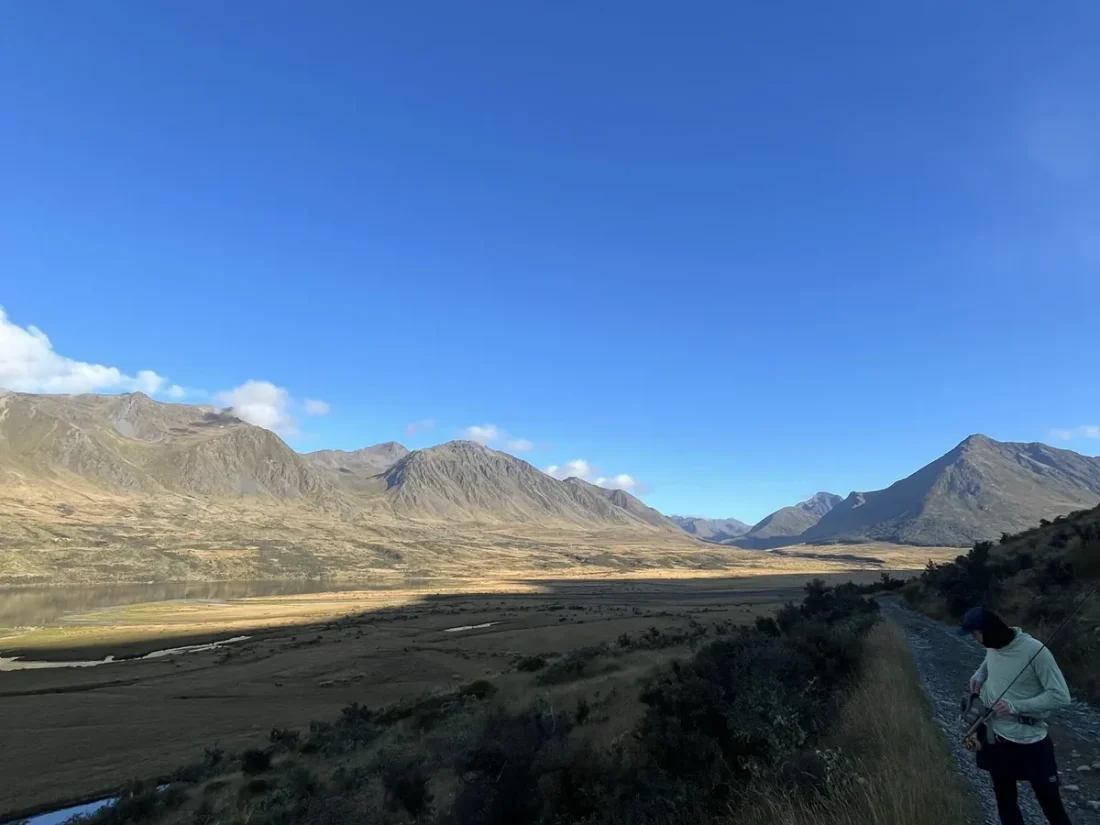
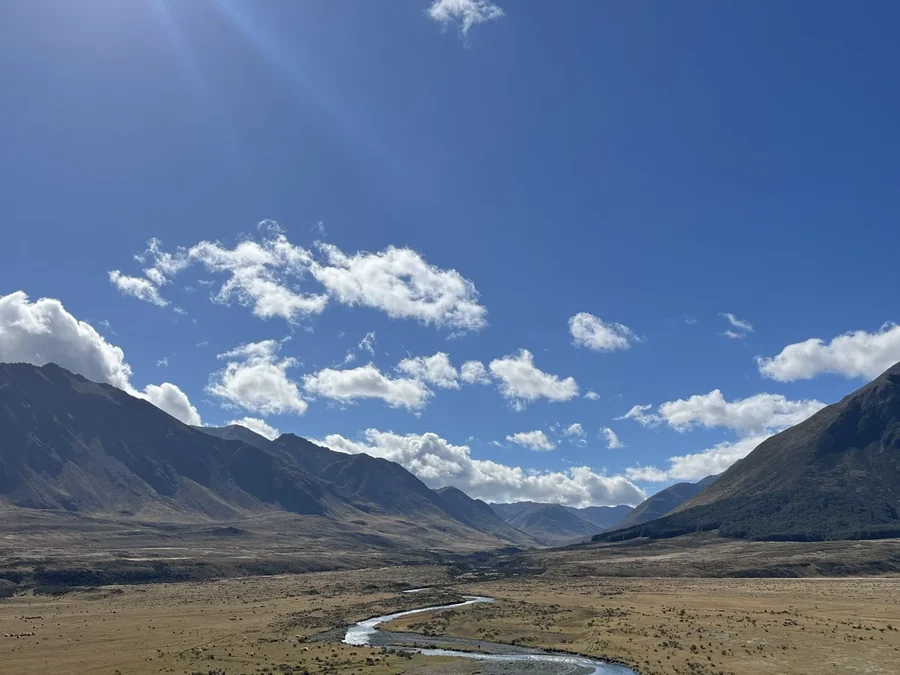
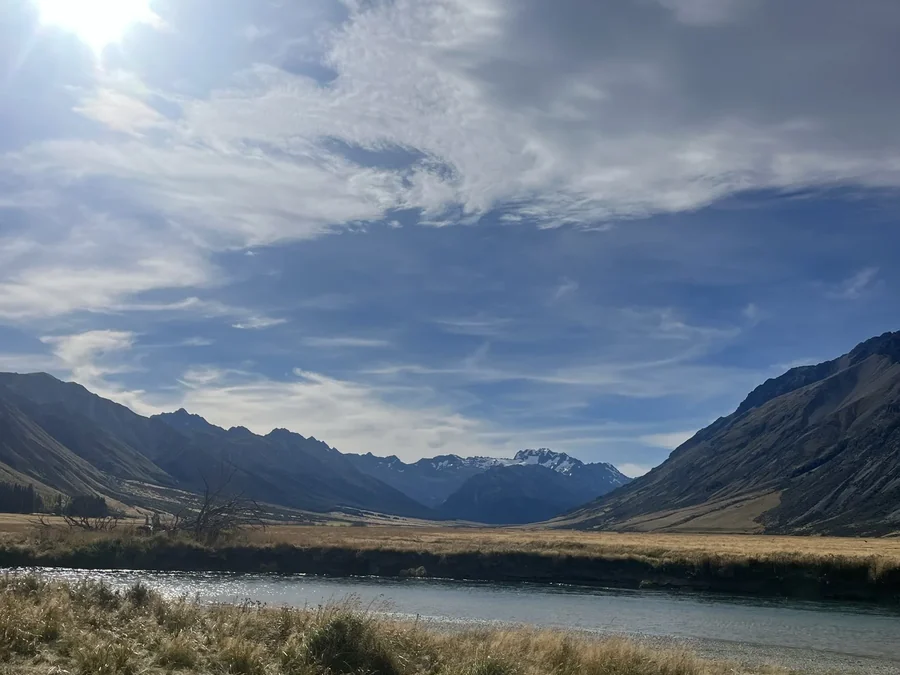
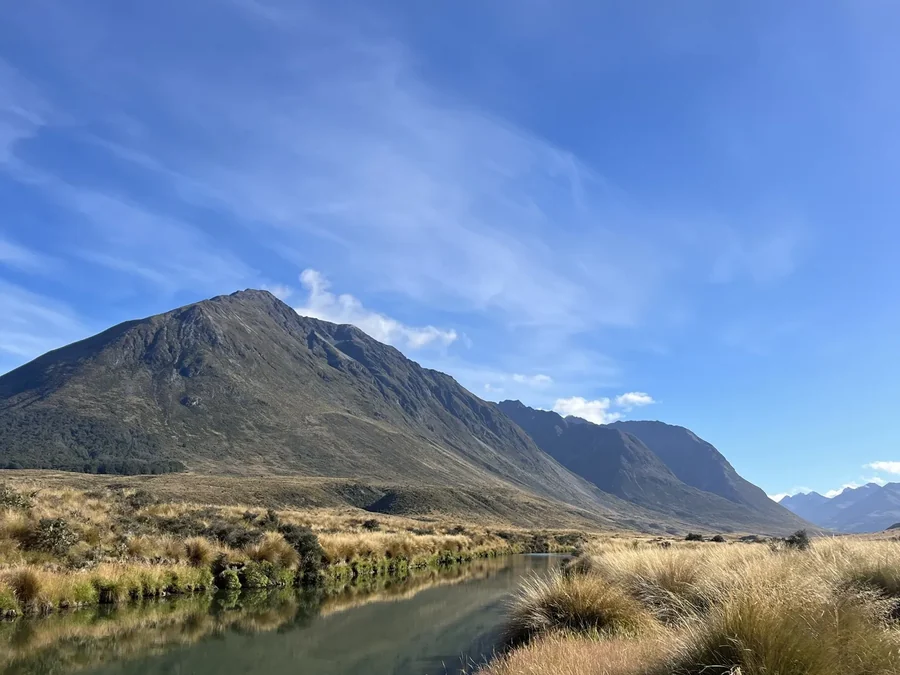
Otago. Queenstown sits on the shores of Lake Wakatipu, fed by backcountry rivers and streams with some exceptional trout fishing in them. Head towards Glenorchy and you’ll find remote water under snow-capped peaks, holding both brown and rainbow trout.
Southland. Around one to two hours from Queenstown, Southland offers a mix of lowland and backcountry water, with both brown and rainbow trout. The Mataura, Oreti, Waikaia and Aparima are some of the best-known rivers, but there are also countless smaller tributaries and streams to explore.
The details of an overnight trip depend entirely on where we’re going. Some backcountry water is simply better fished by staying in there than by trying to reach it and get out again in a day.
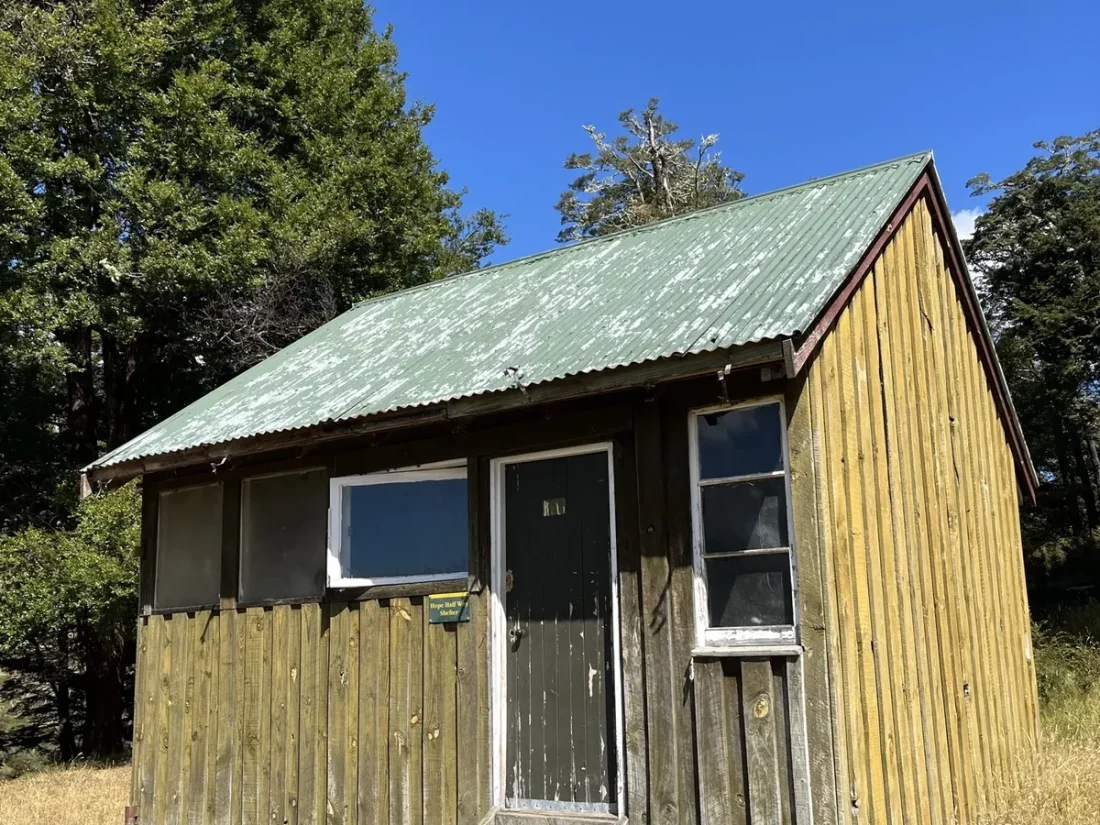
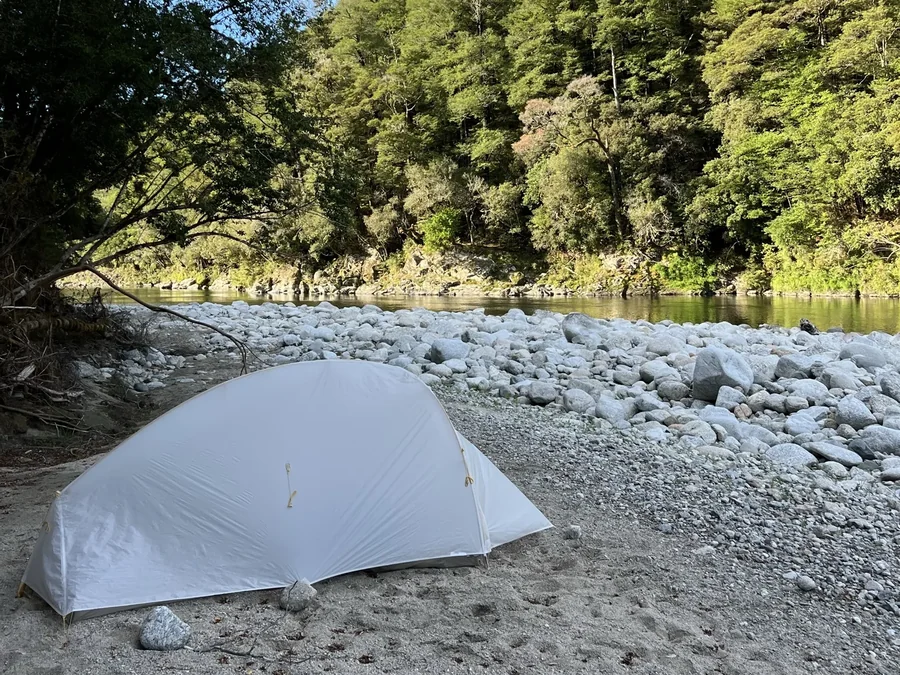
The most comfortable option is usually a Department of Conservation hut. They’re very well maintained, and they’re one of the things New Zealand is lucky to have. Where a tent makes more sense, we’ll camp instead.
Tell us your dates and how many of you are fishing and we’ll come back with availability and a price. No obligation, and a real person will reply with the details.
Limited availability through the season
✉ flyrunfishingholidays@gmail.com
A day on the river
How a guided day runs
Every day is shaped around the conditions and the water your guide picks that morning, but this is how a guided day usually runs.
Step
01
7am pick-up
We collect you from your Queenstown accommodation first thing.
Step
02
The drive
About an hour to Southland, or an hour and a half towards the Glenorchy backcountry, depending on conditions and what you’re after.
Step
03
Spotting fish
Your fly fishing guide walks ahead and finds the fish. You fish to a trout we’ve already seen rather than casting blind.
Step
04
The presentation
A long leader, a careful approach, and one cast put where it needs to be.
Step
05
Lunch on the bank
A break on the riverbank, then straight back to it.
Step
06
Off the water
Back in Queenstown for dinner, usually around five or six.
Everything covered
What's included
In the price
Fully guided day with an NZPFGA affiliated fly fishing guide
Fly into Queenstown and we’ll take care of the fishing. Pick-up, the water we fish, the flies and the plan for the day are all handled.
01
Getting here
Fly into Queenstown. It’s the easiest place in the country to start a fly fishing trip, and there’s a good range of restaurants and bars for anyone in the group who isn’t fishing.
02
Licences and gear
You’ll need a Fish & Game licence, and we’ll point you to the right one. Bring your own rod if you’ve got one you love, otherwise we can provide everything you need.
03
Weather
We’ll fish unless the water is genuinely unfishable. If one river is high we’ll look at another valley, because rain in one valley doesn’t mean rain in the next. Your guide plans that before you’re picked up.
✦ Beginners and experienced anglers are both welcome, and we tailor the day either way. Availability is limited, so book as far ahead as you can.
New Zealand offers some of the best trout fishing in the world, but that doesn’t always mean it’s easy. A guide takes care of spotting fish, long leaders and reading the water, which is where most visiting anglers come unstuck.
It depends on the day you want. The backcountry involves scrambling and tramping tracks. Plenty of Southland water lets us drive close, then walk farmland banks over small stones and sand, with no boulders to climb.
We’ll still fish. Rain rarely stops it. If a river is high we move to a different valley or mountain range, and your guide will have worked out which one before you’re picked up.
The average trout runs from three to six pounds, and five pound fish are very common. A good fish is anything from seven to ten pounds, and every season turns up a few bigger again.
Yes, if you need it. Flies are always provided, and as dry fly fishing guides in NZ we’ll have the right patterns for whatever is hatching.
Talk to a real person
Check guide availability for the 2026/27 season
Tell us your dates and how many of you are fishing and we’ll come back with availability and a price. No obligation, and a real person will reply with the details.
The season runs October to May – the cicada months of February and March book up first.